
Junk Cars for Cash Adelaide: What Is Your Car Worth? 5 Things That Set the Offer
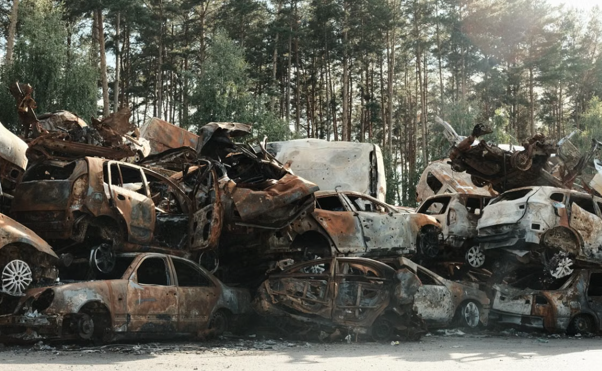
An old vehicle sitting unused in a driveway may be worth more than its owner expects. Even when a car no longer starts, has extensive body damage or requires expensive repairs, its components and recyclable materials can retain value. However, not every unwanted vehicle attracts the same offer. Understanding how buyers assess older cars can help Adelaide owners set realistic expectations and negotiate more confidently.
For anyone considering junk cars for cash Adelaide, the final amount generally depends on the vehicle’s condition, recoverable parts, material value and collection requirements. Five factors have a particularly important influence.
1. Vehicle Make, Model and Manufacturing Year
The make and model of a junk vehicle help determine demand for its usable components. Popular vehicles with readily interchangeable parts may attract stronger offers because wreckers can potentially resell components to customers maintaining similar models.
Manufacturing year also matters. Some older vehicles have components that are increasingly difficult to source, while others have limited resale demand. Buyers consider the availability of replacement parts, the number of similar vehicles on local roads and the potential usefulness of individual components before estimating a purchase price.
2. Overall Condition and Remaining Components
A non-running car is not necessarily worthless. A vehicle with a failed engine may still contain a functioning transmission, undamaged doors, usable wheels and valuable electrical components. These parts can contribute to the offer even when repairing the complete vehicle would be uneconomical.
However, extensive corrosion, fire damage or missing major components may reduce recoverable value. Buyers usually assess several important areas:
- Engine and transmission condition.
- Body panels, doors and windows.
- Wheels, tyres and suspension components.
- Interior fittings and electronic systems.
- Missing parts or previous dismantling.
Providing accurate details about these components helps buyers prepare an informed quotation and reduces the likelihood of unexpected changes during inspection.
3. Scrap Metal Weight and Market Conditions
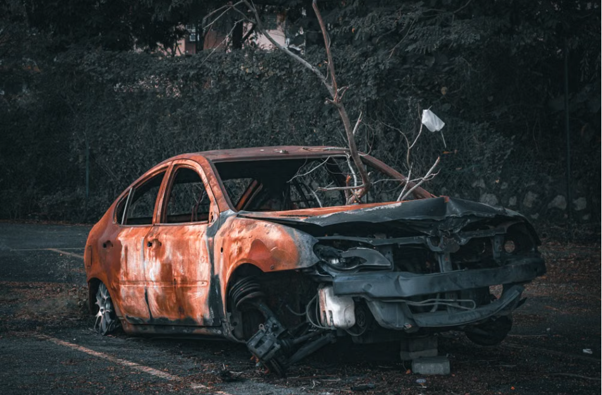
When a vehicle has limited reusable parts, its recyclable metal content becomes particularly important. Cars contain steel, aluminium and other metals that can be recovered through automotive recycling processes.
The amount and type of recoverable material influence the vehicle’s scrap value. Larger vehicles may contain more recyclable metal, although weight alone does not guarantee a higher offer. Processing requirements, contamination and current metal market conditions also affect what recyclers can reasonably pay.
Scrap metal prices fluctuate with industrial demand, processing costs and broader commodity markets. Consequently, an estimate received several months earlier may differ from a current quotation for the same vehicle.
4. Vehicle Location and Accessibility
A buyer must also consider the practical cost of collecting the vehicle. A car parked in an accessible Adelaide driveway is generally easier to recover than one located in a restricted underground car park or on difficult terrain.
Distance from the buyer’s operating area, vehicle mobility and equipment requirements can all affect collection arrangements. A car without wheels, for example, may require different loading equipment from one that rolls freely.
Before requesting a quote, explain whether the vehicle starts, whether it can be moved and where it is parked. Mention narrow access points, locked premises or other obstacles that could complicate removal. These details allow the buyer to assess collection requirements more accurately.
5. Demand for Reusable Parts
A car’s potential resale components can sometimes contribute more value than its scrap metal. Engines, gearboxes, alternators, starter motors and selected body panels may be useful when they are in suitable condition.
Demand is not identical across vehicle brands or models. Parts from commonly maintained vehicles may have an established market, whereas components from less popular models might be harder to resell.
Buyers also consider testing, storage and dismantling costs. Therefore, the presence of a potentially valuable component does not automatically mean its full retail replacement price will be reflected in the vehicle purchase offer.
How to Prepare for a Better Quote
Owners can improve the accuracy of their quotations by gathering essential vehicle information before contacting potential buyers. Record the registration details, make, model, manufacturing year, approximate condition and any significant mechanical problems.
Recent photographs can help communicate damage and identify remaining components. It is also useful to compare quotations using the same vehicle description and ask whether collection expenses are included.
Avoid spending money on unnecessary repairs solely to increase scrap value without first checking whether those repairs would materially improve the offer. In many situations, providing complete information and obtaining multiple comparable quotes is more practical.
Conclusion
A junk vehicle’s value depends on more than its age or whether it still runs. Reusable components, recyclable metals, local demand, overall condition and collection logistics all influence the final amount. Understanding these factors helps Adelaide owners evaluate offers without relying on unrealistic advertised maximums. For people ready to explore their selling options, cashforcarsa can be considered alongside other local vehicle buyers when comparing quotations, collection conditions and payment arrangements.
