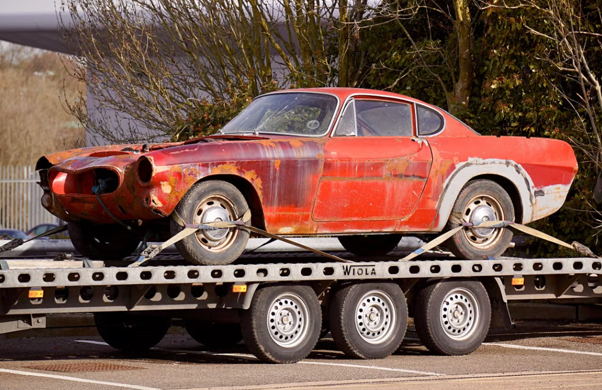
An unwanted car can quickly become an inconvenience when it blocks a driveway, occupies a parking space or stops working unexpectedly. For owners facing these situations, arranging prompt collection may be more practical than waiting for a private buyer. However, removing a vehicle on the same day requires more than simply requesting a tow truck.

Services offering same day car removal Adelaide generally assess the vehicle, confirm a purchase arrangement and organise collection according to their available resources. Understanding the process can help owners prepare properly and improve their chances of securing a convenient pickup.

What Is Same-Day Car Removal?

Same-day car removal refers to a service where an unwanted vehicle is collected on the same calendar day that the seller contacts the provider and agrees to the transaction.

Some vehicle buyers combine purchasing and towing, allowing the owner to complete both steps in one arrangement. This may be particularly convenient when a vehicle is no longer roadworthy or cannot be moved without professional equipment.

However, same-day collection is normally subject to operating hours, vehicle location, access conditions and available collection vehicles. Advertising a same-day service should not be interpreted as a guarantee that every booking can be completed immediately.

How the Same-Day Removal Process Works

Most car removal enquiries begin with the owner contacting a vehicle buyer by phone or through an online quotation form. The provider requests details about the vehicle to determine whether it is suitable for purchase.

After reviewing the information, the buyer may provide an offer and discuss collection availability. If the owner accepts, the provider arranges a pickup time and confirms any identification or documentation requirements.

During collection, the vehicle may be inspected to verify its condition. Once the agreed payment and sale documentation have been completed, the recovery team can load the vehicle for transport.

The process is usually more straightforward when the owner has supplied accurate information and the vehicle is readily accessible.
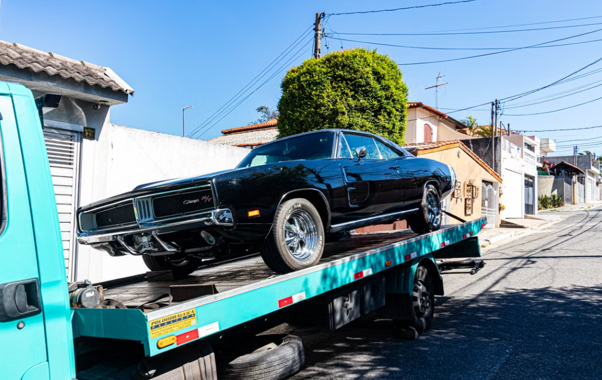
Same day car removal Adelaide

When Is Same-Day Pickup Possible?

Several practical factors influence whether collection can be completed on the requested day. Booking early may provide more scheduling flexibility, particularly when the removal business already has several appointments.

The vehicle’s location also matters. A car situated within the provider’s regular Adelaide operating area may be easier to accommodate than one requiring a longer journey.

Other important considerations include:

  • Availability of a suitable collection vehicle.
  • The time the booking request is received.
  • Whether the vehicle can roll or needs specialist equipment.
  • Access to the pickup location.
  • Completion of ownership and payment arrangements.

Owners should confirm the actual collection appointment rather than assuming that requesting an urgent quote automatically reserves a same-day pickup.

How to Book a Car Removal Service

Before making contact, gather the vehicle’s make, model, manufacturing year and general condition. Explain whether the engine starts, whether the tyres are inflated and whether significant components are missing.

Next, provide the collection suburb and describe where the vehicle is parked. Mention any narrow driveways, restricted parking areas or obstacles that might affect loading.

Once the buyer provides a quotation, confirm the following details:

  • The agreed purchase amount and payment method.
  • Whether towing is included at no extra charge.
  • The proposed collection date and time window.
  • Identification and ownership verification requirements.
  • Whether the offer may change following inspection.

Written confirmation can be useful when collection arrangements are made quickly.

Preparing Your Vehicle for Collection

Even urgent collection requires some basic preparation. Remove personal possessions, check storage compartments and take out items that do not form part of the vehicle sale.

Keep your identification and relevant ownership information accessible. If there is outstanding finance or an ownership dispute, resolve the issue before attempting to sell the vehicle.

Make sure the recovery operator can safely reach the car. If the vehicle is parked on private property, obtain any permission needed for access. Never attempt to drive an unsafe or unroadworthy car solely to make collection easier.

What Happens to the Vehicle After Removal?

The vehicle’s next destination depends on its condition and the buyer’s business model. Cars with viable resale potential may be assessed for repair, while end-of-life vehicles can be dismantled for usable components and recyclable materials.

Automotive recycling may involve recovering suitable parts and separating metal and other materials for further processing. Fluids, batteries and other potentially hazardous components require appropriate handling.

Sellers should also retain transaction records and complete applicable registration disposal requirements. In South Australia, a disposal notice is required when selling an SA-registered vehicle, with particular procedures for vehicles taken to wrecking yards.

Conclusion

Same-day vehicle removal can provide a convenient way to sell and collect an unwanted car without organising separate transport. Nevertheless, successful collection depends on accurate vehicle details, safe access, completed ownership checks and the provider’s schedule. Preparing in advance and confirming the pickup arrangements helps avoid unnecessary complications. Adelaide residents researching urgent vehicle collection can consider cashforcarsa among their options while verifying actual same-day availability, payment arrangements and collection conditions.
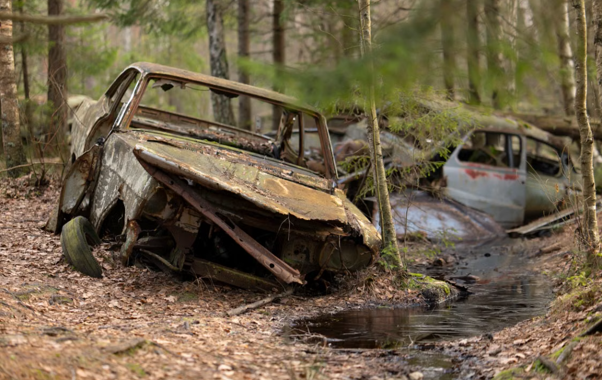
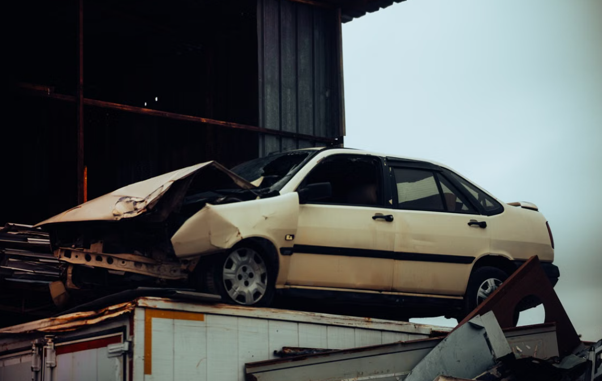
Repairing an older vehicle can be worthwhile when it remains reliable and the required work is affordable. However, repeated mechanical problems may eventually make continued ownership more expensive than replacing the car. The challenge is recognising when another repair is justified and when the vehicle has reached the end of its practical service life.

Exploring cash for scrap cars adelaide can make sense when repair expenses, safety concerns and ongoing reliability problems outweigh a vehicle’s remaining usefulness. Seven warning signs can help owners make a more informed decision.

1. Repair Costs Approach the Vehicle’s Value

A major repair becomes difficult to justify when its price approaches the amount the vehicle would be worth in safe, working condition. An older car requiring extensive engine work, for example, may have a market value that does not support the investment.

Before deciding, obtain a written repair estimate and compare it against the vehicle’s realistic resale value. Consider whether the repair would genuinely extend its useful life or simply address one problem while leaving other ageing components untouched.

2. Mechanical Problems Keep Returning

Occasional maintenance is normal, particularly as a vehicle gets older. However, repeated breakdowns involving different systems can indicate broader deterioration rather than isolated faults.

A car that regularly requires towing, workshop visits or unexpected replacement parts can become expensive to maintain. Reviewing repair invoices over the previous year may reveal a pattern that is easy to overlook when paying for individual repairs.

3. Rust Has Affected Important Structural Areas

Cash for scrap cars Adelaide

Surface corrosion does not always mean a vehicle should be scrapped. However, severe rust affecting structural components can raise serious safety concerns and may require specialised repairs.

Corrosion around critical supporting areas, mounting points or other load-bearing structures deserves professional inspection. If restoring structural integrity would be exceptionally expensive or impractical, selling the vehicle for dismantling may be a more appropriate option.

4. The Engine or Transmission Has Major Damage

Engine and transmission failures are among the mechanical problems that can produce substantial repair bills. Rebuilding or replacing major assemblies may involve costly components, extensive labour and additional diagnostic work.

For a vehicle with low market value, these expenses can be difficult to recover. Nevertheless, major mechanical damage does not necessarily eliminate salvage value. Undamaged body panels, electrical components and other working parts may still be suitable for reuse.

5. Safety Problems Are Becoming Difficult to Resolve

Reliable brakes, steering and suspension are essential for safe driving. Persistent problems involving these systems should never be ignored simply because the car still moves.

Warning signs that deserve professional assessment include:

  • Unpredictable braking or recurring hydraulic faults.
  • Excessive steering movement or loss of steering precision.
  • Serious suspension damage.
  • Structural deterioration following an accident.
  • Repeated safety-related defects that remain unresolved.

A qualified mechanic should assess these problems before the vehicle is driven again. When repairs are not economically practical, retirement may be the safer decision.

6. The Car Has Been Sitting Unused for Years

Long periods without use can create problems beyond the original reason a vehicle was parked. Batteries discharge, tyres deteriorate, fluids age and mechanical components can develop faults.

A vehicle left outside may also experience moisture damage, corrosion or rodent activity. Returning it to dependable service could require repairs across several systems rather than a simple battery replacement.

If there is no realistic plan to restore or use the vehicle, obtaining a scrap quotation may be preferable to allowing its condition to deteriorate further.

7. Replacement Offers Better Long-Term Value

Sometimes the strongest reason to retire a vehicle is not one catastrophic failure but the combined cost of keeping it. Frequent servicing, poor reliability and upcoming expensive repairs may make replacement more practical.

Compare the estimated annual cost of maintaining the existing car against purchasing and operating a suitable alternative. Include insurance, registration, maintenance and expected depreciation rather than focusing exclusively on the purchase price.

The decision should also reflect how much dependable transport matters for work, family responsibilities and everyday travel.

Making the Final Repair-or-Scrap Decision

Before disposing of a vehicle, obtain an independent mechanical assessment whenever practical. Ask the mechanic to distinguish urgent safety work from optional maintenance and identify repairs likely to arise soon.

Owners should then compare the repair estimate, vehicle value and potential scrap offer. If the vehicle is sold to a wrecker, make sure ownership information is accurate and complete the applicable South Australian disposal notification process.

Conclusion

Deciding whether to repair or scrap a car requires balancing safety, reliability, financial costs and remaining vehicle value. Expensive mechanical failures, serious corrosion and repeated breakdowns may indicate that further investment is no longer sensible. A professional inspection and realistic comparison of available options can make the decision clearer. Adelaide owners exploring an alternative to ongoing repairs can include cashforcarsa when seeking scrap vehicle quotations and comparing removal arrangements.