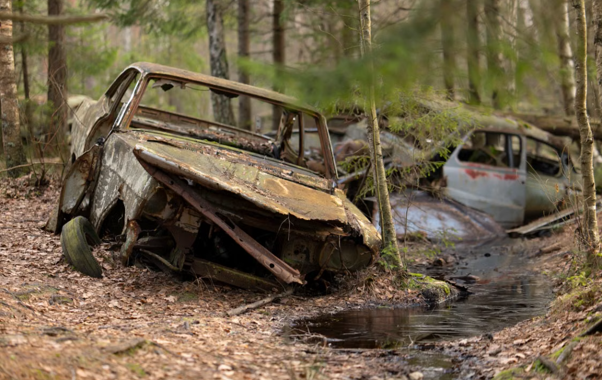
Repairing an older vehicle can be worthwhile when it remains reliable and the required work is affordable. However, repeated mechanical problems may eventually make continued ownership more expensive than replacing the car. The challenge is recognising when another repair is justified and when the vehicle has reached the end of its practical service life.

Exploring cash for scrap cars adelaide can make sense when repair expenses, safety concerns and ongoing reliability problems outweigh a vehicle’s remaining usefulness. Seven warning signs can help owners make a more informed decision.

1. Repair Costs Approach the Vehicle’s Value

A major repair becomes difficult to justify when its price approaches the amount the vehicle would be worth in safe, working condition. An older car requiring extensive engine work, for example, may have a market value that does not support the investment.

Before deciding, obtain a written repair estimate and compare it against the vehicle’s realistic resale value. Consider whether the repair would genuinely extend its useful life or simply address one problem while leaving other ageing components untouched.

2. Mechanical Problems Keep Returning

Occasional maintenance is normal, particularly as a vehicle gets older. However, repeated breakdowns involving different systems can indicate broader deterioration rather than isolated faults.

A car that regularly requires towing, workshop visits or unexpected replacement parts can become expensive to maintain. Reviewing repair invoices over the previous year may reveal a pattern that is easy to overlook when paying for individual repairs.

3. Rust Has Affected Important Structural Areas
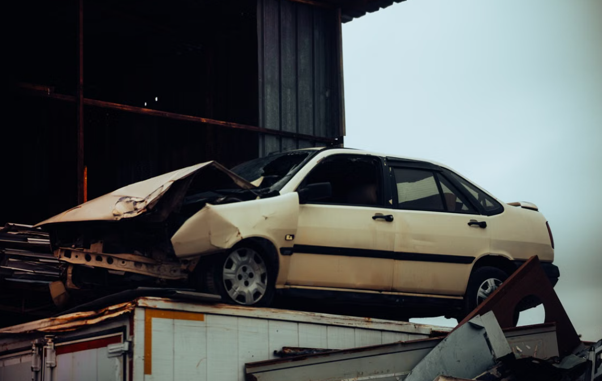
Cash for scrap cars Adelaide

Surface corrosion does not always mean a vehicle should be scrapped. However, severe rust affecting structural components can raise serious safety concerns and may require specialised repairs.

Corrosion around critical supporting areas, mounting points or other load-bearing structures deserves professional inspection. If restoring structural integrity would be exceptionally expensive or impractical, selling the vehicle for dismantling may be a more appropriate option.

4. The Engine or Transmission Has Major Damage

Engine and transmission failures are among the mechanical problems that can produce substantial repair bills. Rebuilding or replacing major assemblies may involve costly components, extensive labour and additional diagnostic work.

For a vehicle with low market value, these expenses can be difficult to recover. Nevertheless, major mechanical damage does not necessarily eliminate salvage value. Undamaged body panels, electrical components and other working parts may still be suitable for reuse.

5. Safety Problems Are Becoming Difficult to Resolve

Reliable brakes, steering and suspension are essential for safe driving. Persistent problems involving these systems should never be ignored simply because the car still moves.

Warning signs that deserve professional assessment include:

  • Unpredictable braking or recurring hydraulic faults.
  • Excessive steering movement or loss of steering precision.
  • Serious suspension damage.
  • Structural deterioration following an accident.
  • Repeated safety-related defects that remain unresolved.

A qualified mechanic should assess these problems before the vehicle is driven again. When repairs are not economically practical, retirement may be the safer decision.

6. The Car Has Been Sitting Unused for Years

Long periods without use can create problems beyond the original reason a vehicle was parked. Batteries discharge, tyres deteriorate, fluids age and mechanical components can develop faults.

A vehicle left outside may also experience moisture damage, corrosion or rodent activity. Returning it to dependable service could require repairs across several systems rather than a simple battery replacement.

If there is no realistic plan to restore or use the vehicle, obtaining a scrap quotation may be preferable to allowing its condition to deteriorate further.

7. Replacement Offers Better Long-Term Value

Sometimes the strongest reason to retire a vehicle is not one catastrophic failure but the combined cost of keeping it. Frequent servicing, poor reliability and upcoming expensive repairs may make replacement more practical.

Compare the estimated annual cost of maintaining the existing car against purchasing and operating a suitable alternative. Include insurance, registration, maintenance and expected depreciation rather than focusing exclusively on the purchase price.

The decision should also reflect how much dependable transport matters for work, family responsibilities and everyday travel.

Making the Final Repair-or-Scrap Decision

Before disposing of a vehicle, obtain an independent mechanical assessment whenever practical. Ask the mechanic to distinguish urgent safety work from optional maintenance and identify repairs likely to arise soon.

Owners should then compare the repair estimate, vehicle value and potential scrap offer. If the vehicle is sold to a wrecker, make sure ownership information is accurate and complete the applicable South Australian disposal notification process.

Conclusion

Deciding whether to repair or scrap a car requires balancing safety, reliability, financial costs and remaining vehicle value. Expensive mechanical failures, serious corrosion and repeated breakdowns may indicate that further investment is no longer sensible. A professional inspection and realistic comparison of available options can make the decision clearer. Adelaide owners exploring an alternative to ongoing repairs can include cashforcarsa when seeking scrap vehicle quotations and comparing removal arrangements.
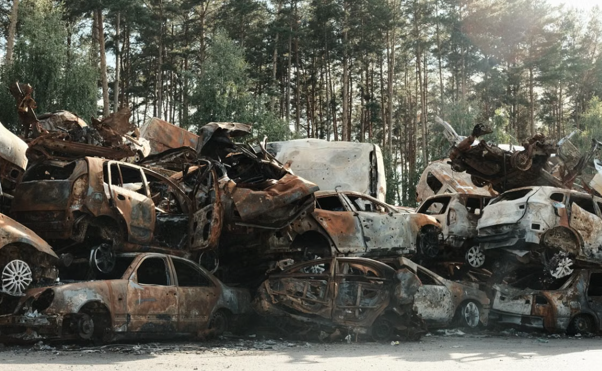
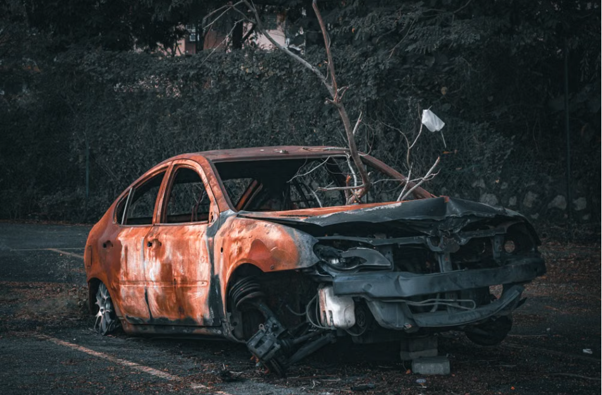
An old vehicle sitting unused in a driveway may be worth more than its owner expects. Even when a car no longer starts, has extensive body damage or requires expensive repairs, its components and recyclable materials can retain value. However, not every unwanted vehicle attracts the same offer. Understanding how buyers assess older cars can help Adelaide owners set realistic expectations and negotiate more confidently.

For anyone considering junk cars for cash Adelaide, the final amount generally depends on the vehicle’s condition, recoverable parts, material value and collection requirements. Five factors have a particularly important influence.

1. Vehicle Make, Model and Manufacturing Year

The make and model of a junk vehicle help determine demand for its usable components. Popular vehicles with readily interchangeable parts may attract stronger offers because wreckers can potentially resell components to customers maintaining similar models.

Manufacturing year also matters. Some older vehicles have components that are increasingly difficult to source, while others have limited resale demand. Buyers consider the availability of replacement parts, the number of similar vehicles on local roads and the potential usefulness of individual components before estimating a purchase price.

2. Overall Condition and Remaining Components

A non-running car is not necessarily worthless. A vehicle with a failed engine may still contain a functioning transmission, undamaged doors, usable wheels and valuable electrical components. These parts can contribute to the offer even when repairing the complete vehicle would be uneconomical.

However, extensive corrosion, fire damage or missing major components may reduce recoverable value. Buyers usually assess several important areas:

  • Engine and transmission condition.
  • Body panels, doors and windows.
  • Wheels, tyres and suspension components.
  • Interior fittings and electronic systems.
  • Missing parts or previous dismantling.

Providing accurate details about these components helps buyers prepare an informed quotation and reduces the likelihood of unexpected changes during inspection.

3. Scrap Metal Weight and Market Conditions

Junk cars for cash Adelaide

When a vehicle has limited reusable parts, its recyclable metal content becomes particularly important. Cars contain steel, aluminium and other metals that can be recovered through automotive recycling processes.

The amount and type of recoverable material influence the vehicle’s scrap value. Larger vehicles may contain more recyclable metal, although weight alone does not guarantee a higher offer. Processing requirements, contamination and current metal market conditions also affect what recyclers can reasonably pay.

Scrap metal prices fluctuate with industrial demand, processing costs and broader commodity markets. Consequently, an estimate received several months earlier may differ from a current quotation for the same vehicle.

4. Vehicle Location and Accessibility

A buyer must also consider the practical cost of collecting the vehicle. A car parked in an accessible Adelaide driveway is generally easier to recover than one located in a restricted underground car park or on difficult terrain.

Distance from the buyer’s operating area, vehicle mobility and equipment requirements can all affect collection arrangements. A car without wheels, for example, may require different loading equipment from one that rolls freely.

Before requesting a quote, explain whether the vehicle starts, whether it can be moved and where it is parked. Mention narrow access points, locked premises or other obstacles that could complicate removal. These details allow the buyer to assess collection requirements more accurately.

5. Demand for Reusable Parts

A car’s potential resale components can sometimes contribute more value than its scrap metal. Engines, gearboxes, alternators, starter motors and selected body panels may be useful when they are in suitable condition.

Demand is not identical across vehicle brands or models. Parts from commonly maintained vehicles may have an established market, whereas components from less popular models might be harder to resell.

Buyers also consider testing, storage and dismantling costs. Therefore, the presence of a potentially valuable component does not automatically mean its full retail replacement price will be reflected in the vehicle purchase offer.

How to Prepare for a Better Quote

Owners can improve the accuracy of their quotations by gathering essential vehicle information before contacting potential buyers. Record the registration details, make, model, manufacturing year, approximate condition and any significant mechanical problems.

Recent photographs can help communicate damage and identify remaining components. It is also useful to compare quotations using the same vehicle description and ask whether collection expenses are included.

Avoid spending money on unnecessary repairs solely to increase scrap value without first checking whether those repairs would materially improve the offer. In many situations, providing complete information and obtaining multiple comparable quotes is more practical.

Conclusion

A junk vehicle’s value depends on more than its age or whether it still runs. Reusable components, recyclable metals, local demand, overall condition and collection logistics all influence the final amount. Understanding these factors helps Adelaide owners evaluate offers without relying on unrealistic advertised maximums. For people ready to explore their selling options, cashforcarsa can be considered alongside other local vehicle buyers when comparing quotations, collection conditions and payment arrangements.